

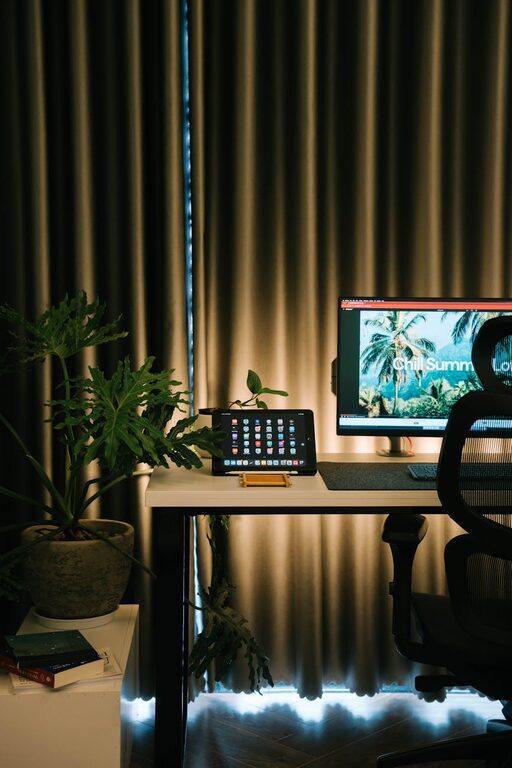
Creating a relaxing home workspace can make a big difference in how productive and comfortable you feel during your workday. Whether you work remotely full-time or need a dedicated spot for occasional tasks, designing a space that promotes calm and focus is essential. Here are some helpful tips to transform your home workspace into a peaceful, efficient environment.
Choose the Right Location
Start by selecting a spot in your home that feels quiet and has minimal distractions. Ideally, this should be a space with good natural light and enough room for all your essentials. A corner of a living room, a spare bedroom, or even a nook by a window can work well as long as it’s separated enough from high-traffic areas.
Consider Lighting
Good lighting is crucial for comfort and concentration. Natural light helps reduce eye strain and boosts mood, so position your desk near a window if possible. For darker spaces or evening hours, invest in a quality desk lamp with soft, adjustable brightness to avoid harsh glare.
Invest in Ergonomic Furniture
Comfort is key, especially if you spend several hours at your desk. An ergonomic chair that provides proper lumbar support can prevent back pain and improve posture. Your desk should be at a height where your forearms are parallel to the ground when typing.
Adding a footrest or adjustable monitor stand can also enhance comfort by reducing strain on your body. Don’t forget a spacious desk surface to keep your workspace tidy and functional.
Declutter and Organize
A cluttered space can increase stress and make it harder to focus. Keep only what you regularly use on your desk and store other items neatly away. Use organizers, trays, or shelves to arrange supplies and documents.
Organizing cords and chargers with clips or a cable box will keep your workspace looking clean and avoid distractions. When everything has its place, it’s easier to stay productive.
Incorporate Calming Elements
Adding a few decorative touches can help create a relaxing atmosphere. Choose items that make you feel good without overwhelming the space.
– Plants: Small indoor plants or succulents can improve air quality and add a refreshing natural touch.
– Artwork: Hang inspiring or soothing images on the walls.
– Aromatherapy: Use a subtle essential oil diffuser or scented candle with calming fragrances like lavender or eucalyptus.
– Soft Textiles: A cozy throw or a cushioned seat pad can increase comfort.
Manage Noise and Distractions
If your home tends to be noisy, consider noise-cancelling headphones or a white noise machine to block out distractions. Setting boundaries with family members or roommates by communicating your work hours can also help maintain a quiet environment.
Establish a Routine and Customize Your Space
Personalizing your workspace improves your connection to it, making work feel less like a chore. Arrange items in a way that suits your workflow and keeps necessities within arm’s reach.
Creating a consistent daily routine adds structure to your workday. Start and end your day at similar times, take regular breaks, and use your workspace exclusively for work-related activities to train your brain to associate it with focus.
Keep Technology Efficient and Comfortable
Make sure your computer, monitor, keyboard, and mouse are set up to reduce eye and wrist strain. Consider screen filters or apps that minimize blue light, especially in the evening.
Good internet connectivity is also important to reduce frustration and keep you productive.
—
By following these tips, you can create a relaxing home workspace tailored to your needs. A comfortable, well-organized, and calming environment supports your productivity and helps you maintain balance throughout your workday. Remember that small changes can have a big impact, so start with a few adjustments and build your ideal workspace over time.