

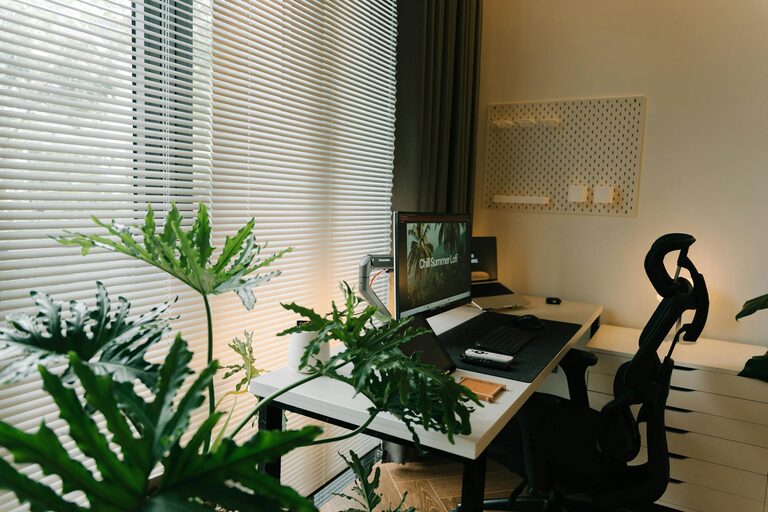
Creating a relaxing home workspace that boosts productivity is essential for anyone working remotely or simply wanting a more efficient and pleasant environment. A well-designed workspace can reduce stress, improve focus, and help you stay motivated throughout the day. Whether you have a dedicated room or just a small corner, these tips will help you craft a productive and comfortable work area.
1. Choose the Right Location
Consider natural light
Place your workspace near a window if possible. Natural light improves mood and reduces eye strain. Avoid harsh glare by using curtains or blinds to diffuse strong sunlight.
Minimize distractions
Pick a quiet spot away from household noise and foot traffic. This helps maintain focus and allows for uninterrupted work sessions.
2. Invest in Comfortable Furniture
Ergonomic chair and desk
A supportive chair with adjustable height and lumbar support is crucial. Pair it with a desk at the right height to keep your posture healthy and avoid discomfort.
Desk layout
Keep frequently used items within easy reach to prevent unnecessary stretching or twisting. Use organizers to keep your desk clutter-free.
3. Create a Calming Atmosphere
Choose soothing colors
Soft blues, greens, or neutrals can promote calmness. If repainting isn’t an option, add decor like pillows, artwork, or plants in relaxing shades.
Add personal touches
Incorporate items that make you happy, such as family photos or favorite books, but avoid overcrowding the space.
4. Optimize Lighting
Layer lighting
In addition to natural light, use a combination of overhead lights, task lamps, and ambient lighting. Adjustable lamps can reduce eye strain during long work hours.
Use warm light bulbs
Warm white bulbs can create a cozy atmosphere without being too harsh.
5. Keep Your Workspace Organized
Declutter regularly
A tidy space reduces stress and helps you focus. Set aside time each day to tidy your desk and file papers appropriately.
Storage solutions
Use shelves, drawers, or containers to keep supplies organized and out of sight.
6. Incorporate Greenery
Benefits of plants
Plants can improve air quality and add a refreshing touch to your workspace. Easy-to-care-for options like succulents or snake plants work well for busy schedules.
Placement tips
Place plants on your desk or near your workspace to enjoy these benefits without taking up too much space.
7. Limit Noise and Distractions
Use noise-canceling headphones
If your environment is noisy, headphones can help you focus or listen to calming music while working.
Background sounds
Some people work better with soft background noise, like white noise or nature sounds. Experiment to find what works best for you.
8. Take Breaks Mindfully
Incorporate movement
Stand up, stretch, or take a short walk to recharge your mind and body throughout the day.
Designate a relaxation spot
If space allows, create a small area nearby where you can take brief mental breaks away from your desk.
9. Personalize Your Technology Setup
Efficient equipment
Use a comfortable keyboard, mouse, and monitor setup that fits your needs to prevent strain and improve productivity.
Cable management
Keep cables organized and out of the way to maintain a clean workspace.
10. Set Boundaries and Routines
Define your work hours
Having clear start and end times helps separate work from personal life and reduces burnout.
Communicate with household members
Let others know when you need quiet time or focus periods.
—
A relaxing and productive home workspace doesn’t require costly renovations or complicated designs. By focusing on comfort, organization, and personalization, your workspace can become a place you look forward to spending time in every day. Implement these tips step-by-step, and watch your productivity and well-being improve.